






Understanding Social Skills and Their Importance for Children with Autism
Social skills are essential for navigating the complexities of interpersonal relationships and interactions. For children with autism, who may struggle with communication and social cues, developing these skills can be a transformative experience. Research indicates that social skills programs designed specifically for children with autism can significantly enhance not only their ability to interact with peers but also their overall quality of life. Whether through structured activities or naturalistic teaching methods, these programs facilitate essential learning opportunities. When exploring options, Social skills program for autism Burlington provides comprehensive insights into effective interventions that promote social competence and emotional understanding.
Defining Social Skills and Autism
Social skills encompass a range of behaviors and abilities that enable individuals to interact successfully with others. These skills include non-verbal communication, understanding social cues, initiating conversations, and developing friendships. For children on the autism spectrum, the lack of these essential skills can lead to feelings of isolation and distress. Early intervention through tailored social skills programs can make a significant difference in their ability to engage with peers, build relationships, and participate in society.
The Role of Social Skills in Everyday Life
Everyday life is filled with social interactions, from casual greetings to in-depth conversations. For children with autism, mastering these interactions is vital for integration into schools and communities. Effective social skills can lead to better academic performance, increased self-confidence, and a greater sense of belonging. Children who develop strong social skills are often more resilient, able to navigate challenges with greater ease, and equipped to handle social complexities as they grow.
Common Challenges Faced by Children with Autism
Children diagnosed with autism frequently encounter various challenges in social settings. These may include difficulty interpreting body language, limited understanding of verbal cues, and struggles with initiating or maintaining conversations. Additionally, sensory sensitivities can impact their willingness to participate in social environments, creating further barriers to social engagement. Understanding these challenges is the first step in creating effective interventions tailored to the unique needs of each child.
Effective Strategies in Social Skills Programs
The design of social skills programs for children with autism must consider individual needs and adaptability. Effective strategies involve a combination of structured learning and experiential opportunities that allow children to practice their skills in real-world settings. The following approaches have been proven effective in fostering social development:
Holistic Approaches to Learning
Holistic approaches integrate multiple aspects of learning, including emotional, social, and cognitive development. Programs that utilize this methodology focus on creating a supportive environment where children feel safe to express themselves. Activities that promote teamwork, empathy, and emotional regulation play a crucial role in holistic learning.
Individualized Interventions Tailored to Each Child
One size does not fit all when it comes to social skills training for children with autism. Individualized interventions tailored to the specific strengths and challenges of each child can drastically improve engagement and outcomes. By assessing each child’s unique profile, educators and therapists can design personalized strategies that foster growth in targeted areas.
Group Activities that Foster Peer Interaction
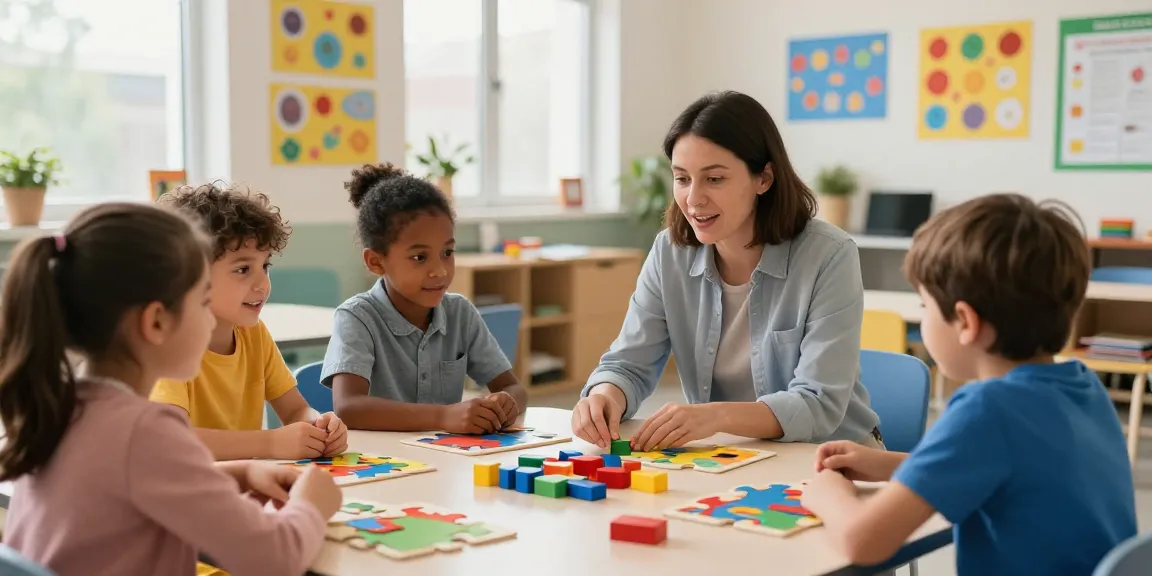
Group activities represent one of the most effective ways to promote social skills. These structured yet playful environments encourage children to interact while participating in shared experiences. By learning alongside peers, children can practice communication, develop friendships, and enhance their social understanding through observation and imitation.
Real Success Stories Involving Social Skills Programs
Transformative Experiences from Parents
Parents often hold powerful narratives of transformation regarding their children’s journeys through social skills programs. One parent shared how their child, once unable to connect with peers, blossomed in an environment that prioritized relationship-building and communication. Through engaging activities and tailored support, this child now enjoys friendships that were once deemed unattainable.
Case Studies: Children Who Thrived
Numerous case studies illustrate the profound impacts of social skills programs. For example, a child named Jamie, initially withdrawn and struggling with verbal communication, participated in a well-structured program that fostered peer interactions. Over time, Jamie not only improved in social situations but also began to take initiative in group settings. Such transformations underscore the effectiveness of specialized interventions.
Testimonials from Professionals in the Field
Professionals working within social skills programs often provide insights into the methodologies employed and the outcomes observed. Many clinicians highlight the importance of structured learning environments, advocating for evidence-based practices that prioritize individual needs. Their testimonies reinforce the efficacy of these programs in facilitating significant growth in children with autism.
Measuring the Success of Social Skills Programs
The effectiveness of social skills programs hinges on their ability to produce observable changes in behavior and social interaction. Establishing clear metrics for success is critical for ensuring that these programs provide value to children and families.
Key Performance Indicators for Growth
Key performance indicators (KPIs) can include measurable outcomes such as increased frequency of peer interactions, improved communication skills, and enhanced emotional regulation. Tracking these indicators over time allows educators and parents to assess progress and make necessary adjustments to interventions.
Tools and Techniques for Assessment
Assessment tools such as observational checklists, parent surveys, and structured interviews can provide valuable insights into a child’s social development. These tools help in identifying areas of strength and weakness, facilitating a more targeted approach to skill enhancement.
Feedback from Parents and Educators
Parental and educator feedback plays a crucial role in evaluating the quality and impact of social skills programs. Regular communication between parents and educators ensures that everyone is aligned in their efforts to support the child’s development, fostering a collaborative atmosphere that enhances learning opportunities.
Looking Ahead: The Future of Social Skills Programs for Autism
As we move into 2026 and beyond, social skills programs for autism are set to evolve significantly. Advancements in technology and teaching methods will shape the landscape of these interventions, providing new ways to foster social development in children.
Emerging Trends in 2026 and Beyond
One emerging trend is the integration of technology into social skills training. Virtual reality and interactive gaming systems are being explored as tools to create immersive environments where children can practice social interactions in a safe setting. These innovative approaches have the potential to greatly enhance engagement and learning outcomes.
Adapting to Technological Advances in Teaching
As educational technology continues to evolve, social skills programs will likely incorporate more digital tools that support learning. For instance, apps that encourage social interaction or role-playing can provide additional resources for both children and parents.
The Role of Community Support and Involvement
Community support remains vital to the success of social skills programs. Collaborative partnerships between schools, families, and local organizations can create a strong foundation for children to practice their skills outside of structured environments, promoting generalization and sustainability of learned behaviors.
What Should I Look for in a Social Skills Program?
When selecting a social skills program for a child with autism, it’s essential to evaluate several key factors. Look for programs that emphasize individualized interventions, maintain small group sizes, focus on evidence-based practices, and involve family participation. These elements contribute significantly to effective learning opportunities.
How Can I Support My Child’s Development at Home?
Support from home is integral to the success of social skills programs. Parents can reinforce lessons learned in therapy by engaging their child in social activities, practicing communication skills, and celebrating successes, no matter how small. Creating a nurturing environment that encourages exploration and interaction can significantly enhance a child’s development.
What Resources are Available for Parents?
Numerous resources exist to assist parents in navigating the challenges of raising a child with autism. Local support groups, educational materials, and online communities can provide valuable support and information. Seeking out these resources can empower parents and contribute to their child’s growth.
How Do Social Skills Programs Integrate with Other Interventions?
Social skills programs should ideally work in tandem with other therapeutic interventions, such as speech therapy or occupational therapy. Coordination among various providers ensures that a child’s overall treatment plan is cohesive and comprehensive, addressing all areas of need.
What Success Metrics Should I Consider?
When assessing the success of social skills programs, consider both qualitative and quantitative metrics. These could include improvements in a child’s ability to initiate conversations, increased participation in group activities, and positive feedback from peers and family members.
Are There Alternatives to Conventional Social Skills Programs?
While conventional social skills programs can be highly effective, alternatives such as peer mentoring, community involvement, and play therapy are also worth considering. Each child is unique, and exploring multiple options can lead to more personalized and effective outcomes.